 Anacortes Window
 Metal Roofing in Bow: A Roof Built for Skagit County Weather
Bow sits close enough to the water that homes here deal with a different set of roofing stresses than a roof twenty miles inland. Salt-laden air off the bay, long stretches of driving rain through fall and winter, and a moss season that can run most of the year all put steady wear on a roof. Metal roofing, installed correctly, handles that combination better than most other roofing materials available today. This page covers what that actually means for a Bow home — the materials, the details that matter, and how we approach the job from first look to final walk-through.
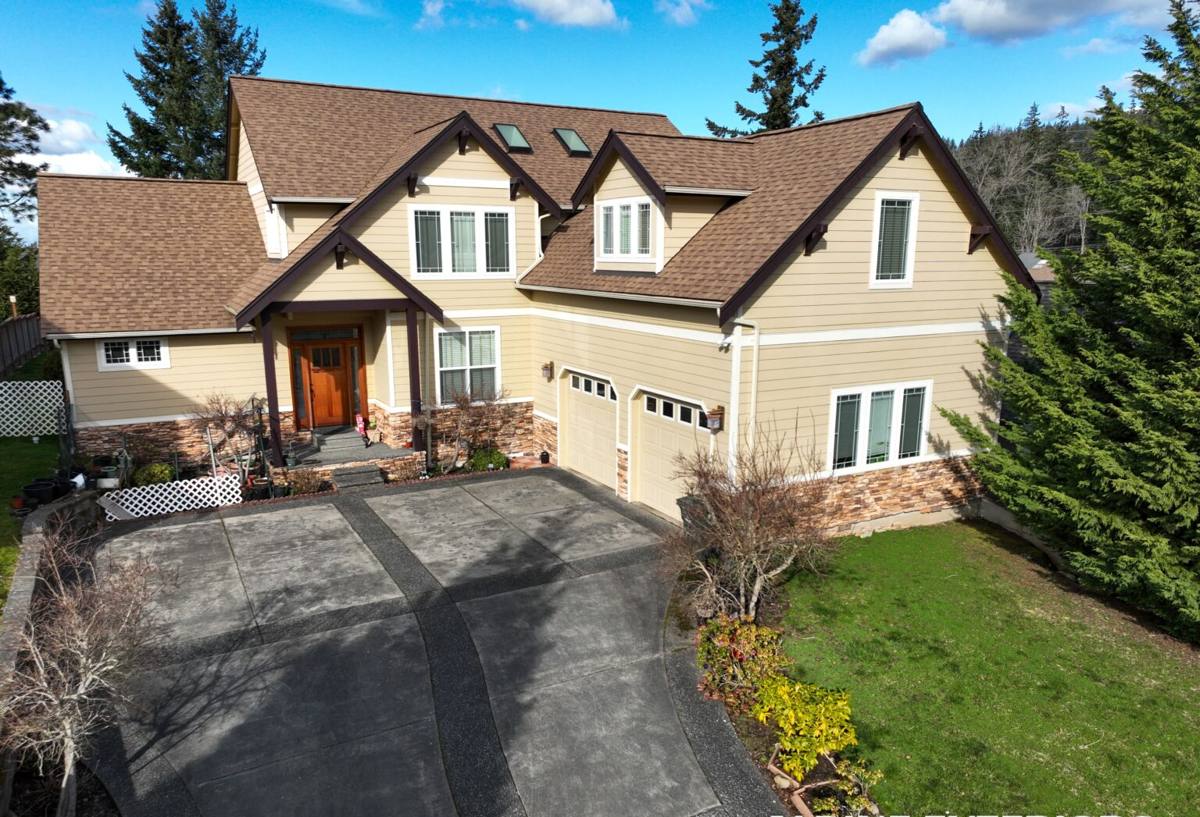
Why Metal Roofing Makes Sense for This Area
Metal roofing isn't the right fit for every home or every budget, but for the climate around Bow it solves several problems at once that asphalt shingles and wood-based roofing struggle with long-term.
Moss and Moisture Resistance
Skagit County's damp, shaded conditions are ideal for moss growth. Moss holds moisture against a roof surface, and on shingle or wood roofs that trapped moisture works its way into the granule layer or wood grain over time, shortening the roof's life and creating conditions for rot in the decking underneath. A properly installed metal roof gives moss far less to hold onto. The smooth, hard surface sheds water quickly and doesn't provide the organic texture moss needs to establish itself the way it does on shingles or shakes.
Standing Up to Salt Air
Homes closer to Samish Bay and the surrounding waterways deal with airborne salt that accelerates corrosion on unprotected metal. This is one of the biggest mistakes we see with metal roofing in coastal-adjacent areas: using fasteners, flashing, or panel coatings that aren't rated for a marine-influenced environment. We spec materials with coastal-grade coatings and corrosion-resistant fasteners specifically because Bow's air quality calls for it, not because it's an upsell.
Handling Driving Rain
Wind-driven rain doesn't just fall straight down — it pushes sideways under laps, around penetrations, and into any gap in the flashing. Metal roofing systems, when the panels and seams are laid out correctly for the roof's actual pitch and exposure, shed that kind of rain far more reliably than a roof relying on granule friction and gravity alone.
What a Correct Metal Roof Installation Actually Involves
The material itself is only part of the equation. Most metal roof failures we're called out to inspect trace back to installation shortcuts, not the panels themselves. A correct job includes:
- Tear-off and inspection of the existing roof deck for rot, soft spots, or prior water damage before anything new goes down
- Proper underlayment selection — synthetic or ice-and-water shield in vulnerable areas, matched to the panel type
- Correct panel fastening pattern and spacing for the specific wind and rain exposure of the site
- Properly formed and sealed flashing at every valley, wall intersection, chimney, and vent penetration
- Panel seams and laps oriented and sealed to shed water in the prevailing wind direction for that particular roof
- Ventilation checked and corrected where needed, since trapped attic moisture damages a roof from underneath regardless of what's on top
Skipping any one of these doesn't show up as a problem on day one. It shows up two or three winters later as a leak at a valley, rust starting at a fastener head, or moss creeping in where the seam design let water sit instead of run off.
Panel Types and What They're Suited For
Not every metal roofing profile behaves the same way in wet, salt-influenced conditions, and homeowners in Bow deserve a straight answer on the trade-offs rather than a one-size-fits-all pitch.
| Panel Type | Best Suited For | Considerations in This Climate |
|---|---|---|
| Standing seam | Homes wanting maximum leak resistance and a clean, low-maintenance look | Concealed fasteners reduce corrosion points; higher upfront cost but lowest long-term maintenance |
| Exposed-fastener panels | Budget-conscious projects, outbuildings, shops | Fasteners need coastal-rated gaskets and periodic inspection since exposed screws are the first thing salt air attacks |
| Stone-coated steel | Homeowners wanting a shingle or shake look with metal's durability | More surface texture than standing seam, so it needs the same moss-prevention attention as other textured roofing |
For most primary residences in this area, we lean toward standing seam because the concealed fastener system removes the weak point that salt air targets first. That said, the right choice depends on the roof's pitch, the home's style, and the budget — we'll walk through the honest trade-offs for your specific roof rather than defaulting to the highest-margin option.
Color, Coating, and Why It Matters Here
The paint or coating system on a metal roof isn't just cosmetic in this climate — it's part of the corrosion protection. Coastal-adjacent air is harder on standard coatings than a dry inland environment, so we look at:
Coating Grade
Higher-grade PVDF-based coatings hold up better against salt exposure and UV fading than basic polyester coatings. For homes in Bow that see regular salt air, the coating grade is worth discussing up front rather than defaulting to the cheapest finish.
Color and Heat
Darker colors absorb more heat, which can matter for attic temperatures in summer, while lighter colors reflect more and can help with energy costs. It's a smaller factor than the underlayment and ventilation, but worth weighing against the look you want for the home.
Common Problems We Find on Existing Metal Roofs in This Area
When we're called out to look at an older or poorly installed metal roof around Bow, the same handful of issues come up repeatedly:
- Rust starting at exposed fastener heads that weren't rated for coastal exposure
- Moss and debris buildup in valleys where water flow was never properly directed
- Flashing that was caulked instead of properly formed and mechanically sealed, which fails within a few years
- Panels fastened too tightly or with the wrong pattern, causing oil-canning or stress cracking over time
- Missing or undersized ice-and-water shield in valleys and eave lines, the areas most exposed to driving rain
Most of these are avoidable with correct installation the first time, which is why we spend more time on prep and detailing than on the panel installation itself — the panels are the easy part.
Our Process for a Bow Metal Roofing Project
1. On-Site Assessment
We start with a walk of the roof and attic, checking deck condition, ventilation, existing moss or moisture damage, and the roof's specific exposure to wind and rain given its orientation and surroundings.
2. Material and Panel Recommendation
Based on that assessment, we recommend a panel type, coating grade, and detailing plan suited to the roof — not a generic package. We'll explain the reasoning so you understand what you're paying for.
3. Written Estimate
You get a clear, itemized estimate covering tear-off, decking repair if needed, underlayment, panels, flashing, and ventilation work, with no vague allowances buried in the total.
4. Installation
Tear-off, deck inspection and repair, underlayment, panel installation, and detailed flashing work at every valley, wall, and penetration — done in the sequence that actually protects the home, not the fastest sequence.
5. Final Walk-Through
We walk the finished roof with you, cover basic maintenance expectations for this climate, and make sure everything matches what was agreed to before we call the job done.
Maintenance Expectations for a Metal Roof in Bow
Metal roofing is lower-maintenance than shingles, but "low-maintenance" isn't "no-maintenance," especially with a heavy moss season and salt air in the mix.
- Keep valleys and gutters clear of needles and debris so water has a clean path off the roof
- Do a visual check after major windstorms for lifted flashing or debris impact
- Rinse off heavy moss or algae buildup periodically rather than letting it accumulate for years
- Have fastener and seam condition checked every few years, especially on exposed-fastener panel systems
A few minutes of attention a couple of times a year goes a long way toward getting the full lifespan out of the system.
Why Hire a Crew That Already Works in This Area
Roofing details that work fine in a dry inland climate can fail early near the water. A crew that regularly works Skagit County knows which coatings, fasteners, and flashing details hold up against local salt air and moss conditions, and which shortcuts show up as callbacks two winters later. That local experience shows up in the small decisions — how valleys are laid out, which fastener spec gets used, how ventilation gets corrected — more than it shows up in any brochure.
If you're weighing a metal roof for your home in Bow, we're happy to take a look and give you a straight, no-pressure estimate. Use the form below to get started.