 Anacortes Window
 Building Decks for La Conner's Waterfront Conditions
La Conner sits right where the Swinomish Channel meets Skagit County's marine air, and that location shapes everything about how a deck should be built here. A deck design that works fine in a drier inland town can start showing problems within a few seasons on a property exposed to tidal air, wind-driven rain, and the shade and moisture that come with mature Northwest trees. We build custom decks specifically for this environment, not a generic deck plan we happen to install everywhere.
Whether you're adding a first deck to a La Conner home, replacing an aging structure, or extending an existing deck to make better use of a waterfront or channel-facing view, the same underlying question matters most: will this deck still be structurally sound and good-looking in fifteen years, not just at the ribbon-cutting.
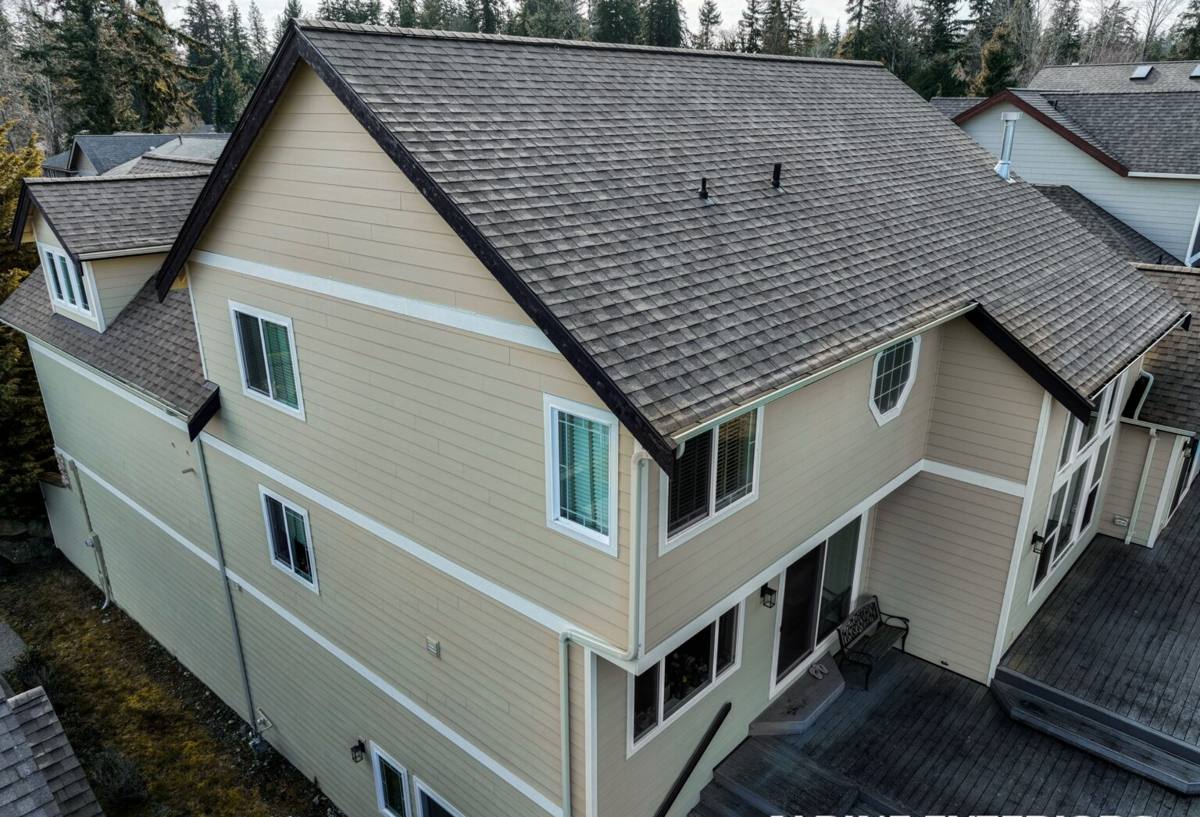
What Salt Air, Driving Rain, and Moss Actually Do to a Deck
Homeowners often assume deck failure is about age. In this part of Skagit County, it's usually about moisture management and material choice, not just years of use. Understanding the specific ways local conditions attack a deck helps explain why certain materials, fasteners, and construction details matter so much here.
Salt-Laden Air
Proximity to the Swinomish Channel and Puget Sound means the air carries fine salt particulate, even a mile or more inland. Over time, salt air accelerates corrosion on fasteners, brackets, and any exposed metal hardware. Standard hardware that's rated for general outdoor use can start rusting and staining the surrounding wood within a few years in a marine-air environment, long before the deck boards themselves would need replacing.
Driving Rain
Storms coming off the water don't just fall straight down, they drive sideways into railings, fascia boards, and the undersides of overhangs. That means water intrusion points that would be minor on a sheltered inland deck, like an unsealed end cut or a poorly flashed ledger board, become real vulnerabilities here. Water that gets behind boards or into end grain doesn't dry out quickly in our climate, and that's where rot starts.
Moss and Prolonged Dampness
Skagit County's long wet season, combined with shade from surrounding trees and structures, gives moss and algae plenty of time to establish on deck surfaces. Beyond being a slip hazard, moss holds moisture directly against the decking material, which speeds up wood decay and can degrade the surface layer of some composite products if it isn't kept off the boards.
Choosing the Right Decking Material for This Climate
There's no single "best" decking material for every La Conner home, it depends on your budget, how much upkeep you're willing to do, and how exposed the deck is to sun, wind, and rain. Here's an honest comparison of the main options we work with.
| Material | Moisture Performance | Maintenance | Typical Lifespan |
|---|---|---|---|
| Pressure-Treated Lumber | Good if sealed regularly; end grain and cut edges need attention | Annual cleaning and re-sealing recommended | 15-20 years with upkeep |
| Cedar | Naturally rot-resistant, but surface graying and moss growth happen without maintenance | Periodic cleaning, optional staining | 15-25 years with upkeep |
| Composite Decking | Very good; resists rot and doesn't need sealing | Periodic washing to prevent surface algae/mildew | 25-30+ years, brand-dependent warranty |
| PVC/Capped Polymer | Excellent moisture resistance, fully sealed board | Low; occasional washing | 25-30+ years, brand-dependent warranty |
For homes closer to the channel with more direct salt air and wind exposure, we lean toward recommending composite or capped polymer decking paired with corrosion-resistant hardware, simply because it removes the sealing maintenance step that's easy to fall behind on. That said, plenty of La Conner homeowners still want the look and feel of real wood, and a well-built, well-maintained cedar or treated lumber deck can perform well here too. We'll walk through the honest trade-offs for your specific site rather than push one material across the board.
Structural Details That Matter More Here Than Elsewhere
A deck's long-term performance depends more on what's underneath and behind the visible boards than on the decking material itself. This is where we see the most corner-cutting on decks we're asked to repair or replace.
Fasteners and Hardware
Standard galvanized fasteners are not enough in a marine-air environment. We use stainless steel or high-grade coated fasteners rated for coastal exposure on connections that matter most, structural brackets, ledger attachments, and any hardware near ground level or facing prevailing wind and rain.
Ledger Flashing and Waterproofing
Where a deck attaches to the house, proper flashing keeps driving rain from getting behind the siding and into the framing. This detail is invisible once the deck is finished, but it's one of the most common failure points we find on older decks in wet climates. It's not an area to shortcut.
Footings and Ground Contact
Skagit County's soil holds moisture well into the dry months, so footing depth and drainage around posts matter for long-term stability. We follow local frost depth and soil bearing requirements rather than guessing at post sizing.
Airflow Underneath
Decks built low to the ground or over damp, shaded areas benefit from planned airflow and drainage beneath the structure. Trapped moisture under a deck is a slow, quiet way for framing to rot from the inside without visible warning signs on the surface.
Our Deck-Building Process
We keep the process straightforward and give you real information at each step, not a sales pitch.
1. On-Site Assessment
We look at sun and wind exposure, drainage, existing structure (if replacing a deck), and how the space will actually be used, before recommending materials or layout.
2. Honest Material Recommendation
Based on the site conditions and your budget, we'll lay out the real trade-offs between wood and composite options for your specific exposure, not a one-size-fits-all pitch.
3. Design and Written Estimate
You get a clear layout plan and a written estimate before any work starts, so there are no surprises on scope or cost.
4. Permitting
Most new decks and significant deck replacements in Skagit County require a building permit, and depending on proximity to the water, additional review may apply. We handle the permit process as part of the job.
5. Construction
Framing, flashing, and fastening are done to the standards described above, not the minimum code allows. We don't skip flashing details or downgrade hardware to save time.
6. Final Walkthrough
We walk the finished deck with you, cover basic care for whatever material you chose, and make sure you know what maintenance (if any) is expected going forward.
Railings, Fascia, and Finishing Touches
The finishing details on a deck are exposed to the same driving rain and salt air as the decking surface, so they deserve the same material care. Railing systems in particular take a lot of direct weather, especially on elevated decks or those facing open water or wind corridors. We work with metal, composite, and wood railing systems, matched to the same moisture and corrosion considerations as the decking itself. Fascia boards, stair stringers, and post wraps are common places where builders use lower-grade material because it's less visible, we don't do that; those components fail early and are expensive to redo later if they're cut corners the first time.
Maintenance That Actually Matters in La Conner
No deck is entirely maintenance-free, but the right build minimizes the burden. Here's a realistic checklist for keeping a deck sound in this climate:
- Sweep off leaves, needles, and organic debris regularly, especially in fall, so moisture doesn't sit trapped against the boards
- Wash the deck surface at least once or twice a year to prevent moss and algae from establishing, more often in shaded areas
- Check railings, stairs, and hardware annually for rust staining or loosening, and address it before it spreads
- Reseal wood decking on the manufacturer's recommended schedule, don't wait until it looks gray and dry
- Clear gutters and downspouts near the deck so runoff isn't dumping directly onto or under the structure
- Keep an eye on the ledger board area where the deck meets the house, it's the hardest spot to inspect but the most important
Why a Crew That Already Works in La Conner Makes a Difference
Deck-building knowledge that works for a dry inland climate doesn't automatically transfer to a marine-air, high-rainfall environment. A crew that already builds and repairs decks around La Conner and the broader Anacortes area has seen firsthand which fastener grades hold up, which flashing details actually keep water out over a full wet season, and which materials handle years of moss exposure without turning into a maintenance headache. That local track record is worth more than a generic deck package, because the failures we're avoiding are ones we've already seen up close on other decks in this exact climate.
We also understand the permitting and inspection process specific to Skagit County, which keeps your project moving instead of stalling on paperwork we haven't dealt with before.
Ready to Talk Through Your Deck Project
If you're planning a new deck or need to replace one that hasn't held up to the weather, we're happy to take a look and talk through honest options for your property. Reach out below for a free, no-pressure estimate, we'll assess your site, explain the material trade-offs plainly, and give you a clear picture of what a properly built deck for this climate actually involves.