 Anacortes Window
 Deck Repair Built for Similk Beach's Marine Climate
Similk Beach sits close enough to the water that every deck in the neighborhood is doing double duty: holding up a family's outdoor living space while absorbing salt-laden air, near-constant humidity, and months of shade-driven moss growth. A deck repair here isn't the same job as a deck repair fifty miles inland. The materials fail differently, the moisture gets in from different angles, and a fix that would hold up in a dry climate can come apart in a season or two out here. We approach every Similk Beach deck repair with that context first, not as an afterthought.
This page covers what actually goes wrong with decks in this part of Anacortes, what a correct repair looks like, and how we handle the job from first look to final walkthrough.
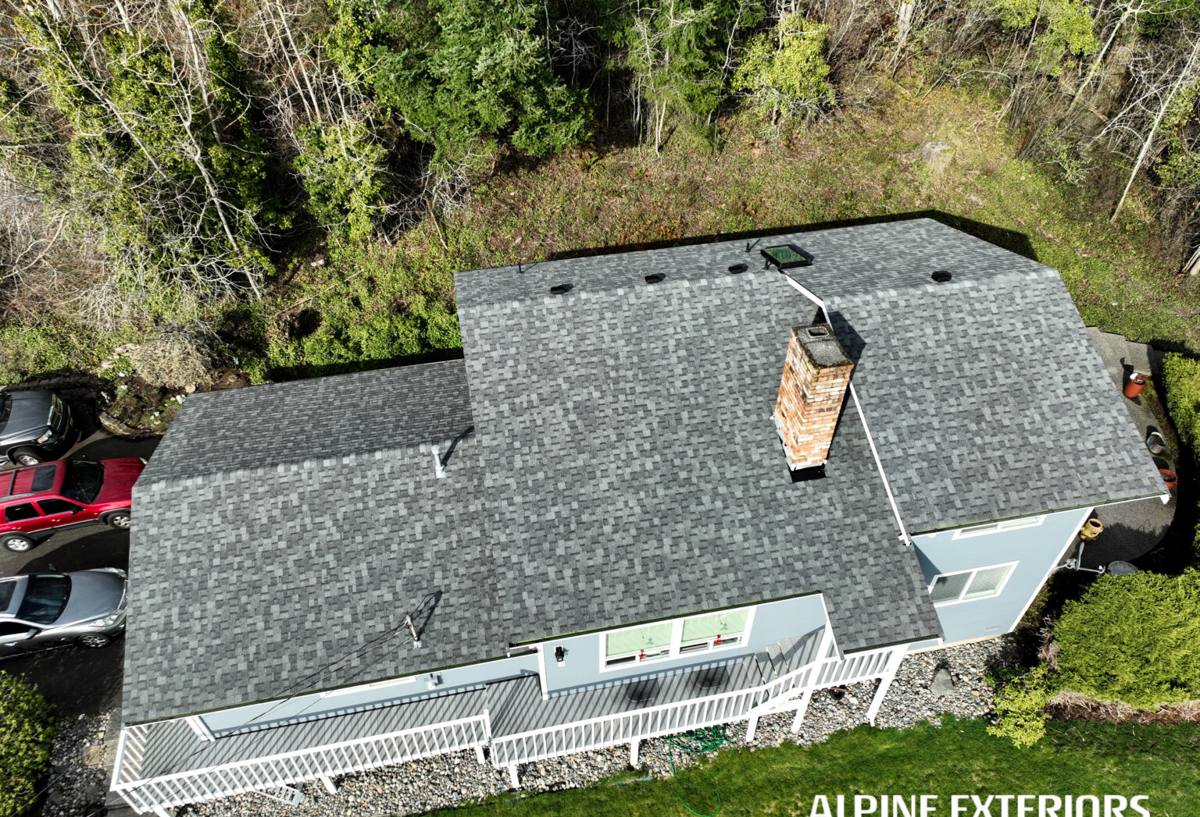
How Salt Air, Rain, and Moss Wear Down a Similk Beach Deck
Salt Air and Metal Fasteners
Airborne salt from the surrounding water doesn't just sit on the surface of a deck — it works into every seam, screw head, and joint. Standard fasteners that would last decades in a dry inland yard can start rusting and weakening within a few years this close to salt water. Once a fastener corrodes, it loses grip strength long before it looks obviously bad, which is why so many "surprise" deck failures turn out to have been building for years underneath a perfectly normal-looking board.
Driving Rain and Wood Decay
Skagit County gets its share of wind-driven rain, and a deck attached to a house takes the brunt of it at the ledger board — the framing member that connects the deck to the structure. Water that gets behind flashing or into end-grain cuts doesn't dry out quickly in our climate, and that trapped moisture is exactly what wood rot and fungal decay need to take hold. We see this most in ledger connections, stair stringers, and anywhere boards butt up against the house or a post.
Moss, Algae, and Slippery Surfaces
Shaded, damp decks around Anacortes grow moss and algae for a good chunk of the year, not just in the depths of winter. Beyond the cosmetic issue, a mossy deck surface holds moisture against the wood or composite underneath and turns into a legitimate slip hazard on stairs and ramps. Moss growth is often the first visible sign that a deck isn't drying out the way it should between rains — sometimes because of poor board spacing, sometimes because of grading or drainage underneath the deck itself.
Common Deck Problems We Find in This Area
Every deck is different, but Similk Beach homes tend to show a recurring pattern of issues:
- Rust-streaked or failing fasteners, especially where they were never upgraded to corrosion-resistant hardware
- Soft, spongy, or discolored decking boards near the house or in low-airflow corners
- Ledger board rot where flashing was missing, undersized, or improperly lapped
- Delamination or edge swelling on composite and engineered decking
- Loose or wobbly railings and posts, often from moisture-weakened post bases
- Moss and algae buildup on horizontal surfaces and stair treads
- Undersized or corroded joist hangers hidden from view until a board is pulled
Most of these start small and stay hidden. That's the nature of moisture damage — by the time it's visible on the surface, it's usually been developing underneath for a while.
What a Proper Deck Repair Involves
Inspection Before Anything Else
A repair that only addresses what's visible from the top is a repair that gets redone in a year or two. Before we touch a tool, we check the framing underneath, the condition of the ledger connection, the fasteners holding it all together, and how water is currently draining off and away from the structure. In a climate like this one, the framing tells us more than the decking surface does.
Structural Repairs vs. Cosmetic Fixes
Some deck problems are cosmetic — weathered boards, faded finish, surface moss — and can be handled with cleaning, sanding, or board replacement. Others are structural: rotted joists, a compromised ledger board, undersized or corroded connectors, footings that have shifted. Structural issues have to be fixed correctly and to code, because a deck's job is to hold weight safely, not just look presentable. We're upfront about which category a given problem falls into, because the fix — and the cost — is very different depending on which side of that line you're on.
Getting the Ledger Board and Flashing Right
Since the ledger connection is the single most common failure point we see in this climate, we pay particular attention to how it's flashed and sealed when we repair it. Flashing needs to shed water away from the house, not just sit there looking like it's doing the job. A ledger repair done without correcting the flashing underneath is a repair that's already failing the day it's finished.
Repair or Replace? How We Help You Decide
Not every deck problem calls for a full rebuild, and not every deck is worth patching indefinitely. Here's how we generally think through that decision:
| Factor | Leans Toward Repair | Leans Toward Replacement |
|---|---|---|
| Age of the deck | Under 15-20 years, built to a reasonable standard | Original construction is old, undersized, or unpermitted |
| Extent of rot/damage | Isolated to a few boards or one connection point | Widespread rot in framing, multiple failure points |
| Framing condition | Joists and beams are sound underneath | Structural members are compromised or undersized for current code |
| Fastener condition | Mostly sound, a few need upgrading | Corrosion is widespread throughout the structure |
| Cost over time | Repair cost is a fraction of replacement | Repeated repairs are approaching rebuild cost |
Straightforward repairs — a section of decking, a handful of fasteners, a railing section — are often a modest expense, sometimes just a few hundred dollars. Structural work involving framing, ledger reconstruction, or footings runs higher, and a full deck rebuild is a bigger investment. We'll always give you the honest read on which category your deck falls into before any work starts.
Our Deck Repair Process in Similk Beach
- On-site assessment of the decking surface, railings, stairs, and visible framing
- Inspection of the ledger connection, flashing, and any hidden framing where we suspect moisture issues
- A written scope that separates cosmetic work from structural work, with an honest recommendation
- Sourcing the correct lumber, decking material, and corrosion-resistant hardware for the specific repair
- The repair itself — framing and structural work first, then decking, railings, and finish work
- A final walkthrough so you know exactly what was repaired, what to watch, and what routine maintenance will keep it in good shape
Materials and Hardware That Actually Hold Up Near the Water
Fasteners
This is where a lot of past deck work in coastal areas cuts corners, and it's usually the first thing to fail. We use stainless steel or coated fasteners rated for the exposure a given repair will face, matched to the metal of any connectors or hangers involved — mixing incompatible metals near salt air and moisture accelerates corrosion rather than preventing it. It costs more upfront than standard hardware, but replacing fasteners twice costs more than doing it right once.
Lumber and Decking Choices
Pressure-treated framing lumber is standard for structural members, and for good reason — it's built to resist the rot that untreated wood can't handle in this climate. For the decking surface itself, homeowners choose between wood species like cedar, which needs regular refinishing but has a natural, traditional look, and composite or engineered decking, which resists rot and doesn't need staining but comes with its own maintenance expectations around cleaning and manufacturer warranty terms. Neither is objectively "better" — they're different trade-offs in appearance, upkeep, and upfront cost, and we'll walk through those honestly rather than pushing one option.
Maintenance Checklist Between Repairs
A repaired deck stays repaired longer with a little routine attention. This is the short list we give Similk Beach clients:
- Sweep debris out of board gaps regularly so water can actually drain through
- Clean moss and algae off the surface before it has a chance to hold moisture against the material
- Check railings and stair treads periodically for looseness, especially after storms
- Look underneath the deck once or twice a year for early signs of rot, rust streaks, or standing water
- Keep gutters and downspouts near the deck clear so runoff isn't draining straight onto or under it
- Re-seal or refinish wood decking on the schedule the material actually needs in this climate, not just when it looks bad
Why Hire a Crew That Already Works in Similk Beach
A deck repair company that mostly works drier, inland jobs will treat your deck like a generic repair. A crew that regularly works this stretch of Anacortes and the surrounding Skagit County waterfront knows which connection points fail first in salt air, which materials are worth the extra cost out here, and what a repair actually needs to survive more than one wet season. That local pattern recognition is the difference between a repair that lasts and one you're calling someone back for in two years.
If you've got a soft spot on the decking, rusted hardware, a wobbly railing, or just want an honest read on whether your deck needs a repair or a full rebuild, we're happy to take a look. Fill out the form below for a free, no-pressure estimate — we'll tell you what we actually find, not just what's easiest to sell.