 Anacortes Window
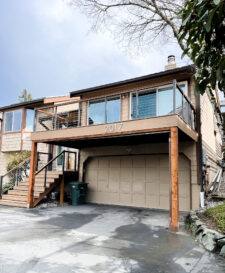
 La Conner Decks Face a Different Kind of Weather
La Conner sits right on the Swinomish Channel, close enough to Skagit Bay that salt-laden air is part of daily life here, not an occasional coastal visitor. Add in Western Washington's long wet season, driving rain that comes in sideways off the water, and a shade-and-moisture combination that keeps moss growing for most of the year, and you've got a climate that is genuinely hard on outdoor structures. A deck built or repaired without that reality in mind will show problems years before it should.
We see the same pattern on deck after deck in this area: the failure doesn't start where people expect. It's rarely the decking boards themselves that fail first. It's the fasteners, the ledger connection, the framing underneath, and the spots where moss and standing moisture have been quietly doing damage out of sight.
Why Salt Air, Rain, and Moss Are a Combined Problem
Salt Air and Metal Fasteners
Airborne salt accelerates corrosion on nails, screws, joist hangers, and bolts. Once a fastener starts to corrode, it loses holding strength long before it looks obviously bad from a casual glance. On a deck, that means the boards or even structural framing can be less secure than they appear.
Driving Rain and Water Intrusion
Wind-driven rain doesn't just fall straight down — it gets pushed into joints, under flashing, and into any gap where two pieces of material meet. The ledger board (where the deck attaches to the house) and any post-to-beam connections are the highest-risk spots, because water that gets trapped there has nowhere to dry out quickly.
Moss and Trapped Moisture
Moss holds moisture directly against wood and hardware for extended periods, which is exactly what accelerates rot and corrosion. A deck with heavy shade, tree cover, or a north-facing exposure will grow moss faster than it can dry, and that moss layer becomes a slow, steady source of damage rather than a cosmetic issue.
Signs Your La Conner Deck Needs Repair
Most decks give warning signs before a failure becomes dangerous. Homeowners often notice the cosmetic issues and miss the structural ones underneath.
- Boards that feel spongy, springy, or soft underfoot
- Visible moss or dark staining that keeps returning after cleaning
- Railings or posts that wiggle or flex when you lean on them
- Gaps or separation where the deck meets the house (the ledger board)
- Rust streaks around fasteners or joist hangers
- Stair stringers that feel uneven or have visible cracking
- Standing water that doesn't drain within a few hours after rain
- Fastener heads that have popped up or pulled loose from boards
Any one of these on its own might be minor. Several together, especially involving the ledger or framing, usually mean it's time for a proper inspection rather than another round of surface cleaning.
What a Correct Deck Repair Actually Involves
A repair that only replaces what's visible from the top often misses the cause of the damage. We approach deck repair from the structure outward, not just the surface in.
Structural Inspection First
Before any boards come off, we check the framing, ledger attachment, posts, footings, and hardware. This tells us whether we're dealing with a cosmetic repair or something that affects the deck's safety.
Ledger Board and Flashing
Because the ledger is where a deck connects to the house, it's also where a leak can do double damage — to the deck and to the house framing behind it. Proper flashing detail at this connection matters more in a climate like ours than almost anything else on the structure.
Fastener and Hardware Replacement
Corroded fasteners get replaced with hardware rated for exterior, coastal-adjacent use — not just whatever matches on the shelf. Mixing metals or using undersized fasteners is a common shortcut that fails early in salt air conditions.
Board and Framing Replacement
Rotted or damaged boards and joists are cut back to solid material and replaced, not patched over. Sistering a damaged joist or replacing a section of decking only works if the surrounding material is confirmed sound.
Drainage and Airflow
Poor airflow underneath a deck is one of the biggest contributors to slow rot in this region. Where possible, we address grading, gaps, and ventilation so the structure can actually dry out between rain events instead of staying damp for weeks.
Repair or Replace? Honest Cost Factors
Not every deck problem calls for a full rebuild, and not every deck is worth repairing indefinitely. These are the factors that actually drive that decision.
| Factor | Leans Toward Repair | Leans Toward Replacement |
|---|---|---|
| Framing condition | Solid, dry, sound joists and posts | Widespread rot in joists, beams, or posts |
| Ledger connection | Intact, properly flashed | Water damage behind the ledger or into house framing |
| Age of deck | Under 15-20 years, built to code | Older, undersized framing, or unpermitted original build |
| Extent of damage | Isolated boards, rails, or stairs | Damage spread across multiple structural areas |
| Fastener condition | Localized corrosion | Widespread corrosion throughout hardware |
As a general rule, if the framing and ledger are sound, targeted repair is the more cost-effective route. Once rot or corrosion has spread through the structural bones of the deck, repeated repairs stop being the economical choice.
Our Deck Repair Process
We keep this straightforward because most homeowners just want to know their deck is safe and won't need the same repair again in two years.
- On-site inspection — we check framing, ledger, hardware, and surface materials, including areas that aren't visible from a casual walkthrough.
- Honest scope and estimate — you get a clear picture of what actually needs repair versus what can wait, with a written estimate before any work starts.
- Repair work — structural issues are addressed first, then hardware, then surface materials like boards and railings.
- Moisture and drainage check — we look at how water moves off and away from the deck once repairs are complete.
- Walkthrough — we go over what was done and what to watch for going forward, including simple maintenance that extends the life of the repair.
Material Choices for Repairs in This Climate
Wood Decking and Framing
Pressure-treated framing lumber remains the standard for structural repairs and performs well when properly flashed and allowed to drain and dry. Cedar and other wood decking surfaces need regular maintenance — cleaning, sealing, and moss control — to hold up against our wet season.
Composite and Alternative Decking
Composite boards can reduce some surface maintenance, but they aren't maintenance-free, and moisture behavior at cut ends and fastener points still matters. We're straightforward about the trade-offs: composite reduces some upkeep tasks but doesn't eliminate the need for good drainage, airflow, and periodic cleaning, especially in a moss-prone spot.
Hardware and Fasteners
For a location like La Conner, we default to fasteners and connectors rated for corrosive or coastal-adjacent exposure rather than standard interior-grade hardware. It costs a little more up front and saves a repeat repair down the road.
Why a Crew That Already Works in La Conner Matters
Deck problems here follow patterns that are specific to Skagit County's coastal conditions — the way moss builds up in shaded, low-airflow spots, how driving rain finds its way into ledger connections, and how quickly salt air can compromise the wrong grade of fastener. A crew that regularly works on homes in this area recognizes these patterns quickly instead of treating every deck as a generic repair. That familiarity shows up in fewer surprises during the job and repairs that are built for the conditions your deck will actually face, not just a textbook standard.
Keeping a Repaired Deck in Good Shape
Once repairs are done, a little seasonal attention goes a long way toward avoiding the same issues down the road.
- Clear moss and debris from boards and gaps at least twice a year, more often in heavily shaded areas
- Keep gutters and downspouts clear so runoff isn't draining directly onto or under the deck
- Check railings and stair connections for looseness once a year
- Reseal or refinish wood decking on the manufacturer's recommended schedule, not just when it looks faded
- Look under the deck occasionally for standing water, mold, or fastener corrosion
- Trim back vegetation that's blocking airflow or sunlight to damp areas
If you're noticing soft spots, moss that won't stay gone, or a deck that just doesn't feel as solid as it used to, we're happy to take a look. We offer free, no-pressure estimates for La Conner homeowners — use the form below to get started.